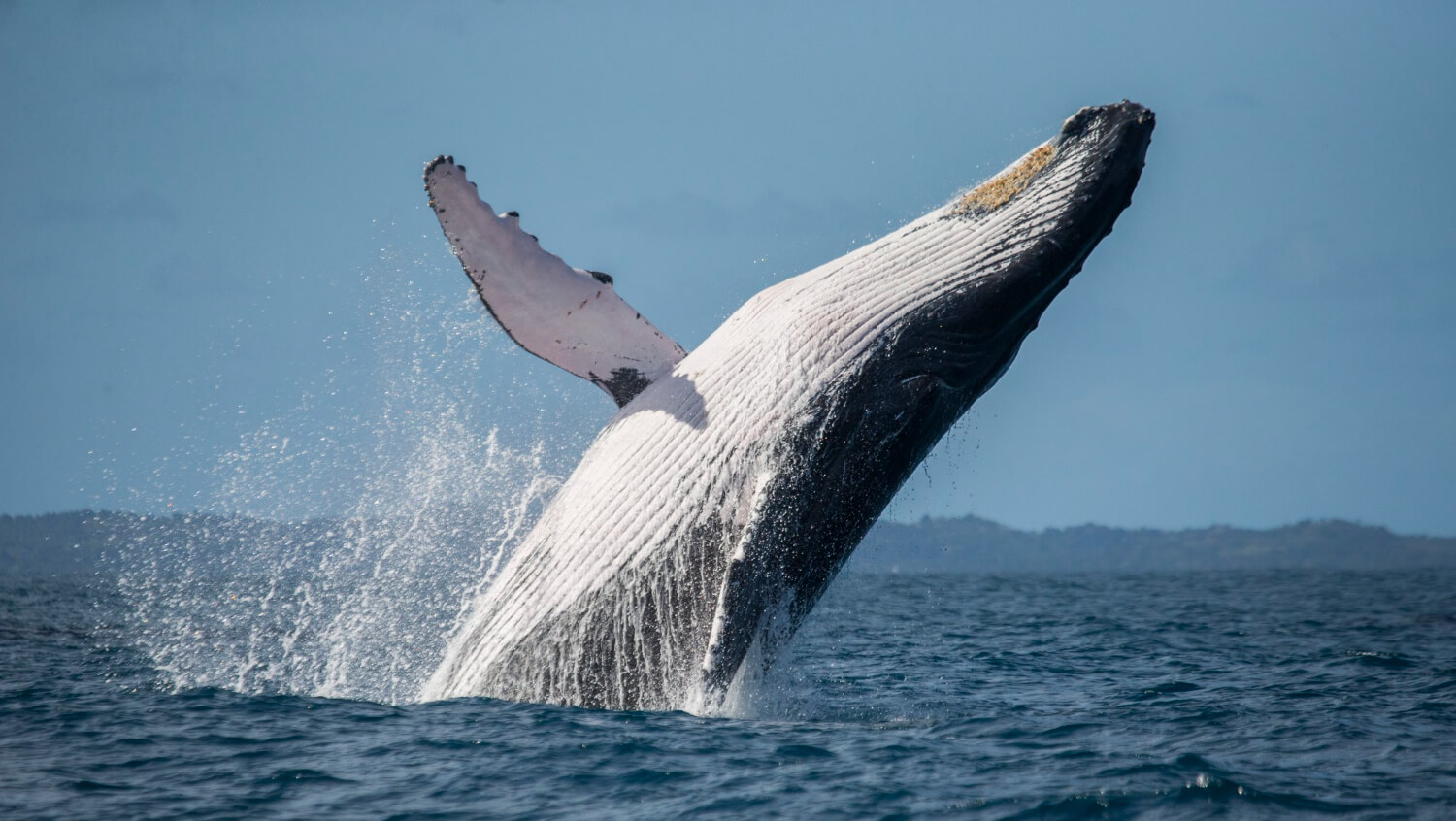
Secrets of the Deep: How Whales Dive Over 3000 Meters
The vast, enigmatic oceans hold some of Earth's most breathtaking secrets, and among them are the majestic whales – giants that command the deep with unparalleled grace and strength. One of the most astounding feats performed by these marine mammals is their ability to descend into the abyssal zone, reaching depths that defy human comprehension. But
which whale dives deepest, and perhaps even more fascinating, how do they manage to survive and thrive in such extreme environments, plunging over 3,000 meters below the surface?
This article will plunge into the world of deep-sea exploration, unraveling the physiological marvels and evolutionary adaptations that allow certain whale species to undertake dives of incredible duration and depth. We'll explore the record holders, understand the science behind their extraordinary capabilities, and peer into the mysterious lives they lead far from the sunlit surface.
Masters of the Abyss: Unveiling the Deepest Divers
When we talk about deep-sea diving mammals, two species consistently stand out: the Sperm Whale and the Cuvier's Beaked Whale. Both have pushed the boundaries of what scientists once thought possible, venturing into realms where light never penetrates and pressure can crush almost anything. The question, "Welcher Wal taucht am tiefsten?" (Which whale dives deepest?), often sparks a debate between these two remarkable contenders.
The Enigmatic Sperm Whale: A True Deep-Sea Hunter
The
Sperm Whale (
Physeter macrocephalus), the largest toothed whale, is a legendary figure in deep-sea lore. Recognizable by its massive, box-shaped head and distinctive blowhole, this magnificent creature holds the record for the deepest *documented* dive among all marine mammals, reaching an astonishing 3,048 meters (10,000 feet). To put this into perspective, the wreck of the Titanic lies at approximately 3,800 meters in the North Atlantic – a depth remarkably close to what these whales can endure.
Sperm whales undertake these incredible dives primarily in pursuit of their favored prey: giant and colossal squid. Their unique physiology is perfectly adapted for these deep-sea expeditions:
* **Spermaceti Organ**: Their colossal head isn't just for show. It houses a large organ filled with a waxy substance called spermaceti oil. By regulating blood flow and thus the temperature of this oil, Sperm Whales can alter its density. Cooling the oil makes it denser, reducing buoyancy and allowing for a rapid descent, while warming it aids ascent. This acts as a sophisticated buoyancy control device.
* **Massive Lung Capacity**: While they don't fill their lungs before a dive in the way humans might, their incredible lung volume allows them to store a significant amount of oxygen-rich air.
* **Oxygen Conservation**: During a dive, Sperm Whales can drastically slow their heart rate (bradycardia) and restrict blood flow to non-essential organs (peripheral vasoconstriction), saving precious oxygen for their brain and vital functions. They are true masters of anaerobic metabolism when necessary.
These adaptations allow Sperm Whales to stay submerged for extended periods, often up to 90 minutes, as they hunt in the perpetual darkness of the deep ocean.
The Elusive Cuvier's Beaked Whale: Stealth and Stamina
While the Sperm Whale is widely celebrated, the
Cuvier's Beaked Whale (
Ziphius cavirostris) is a more recent revelation in the world of deep-sea diving. These elusive creatures, characterized by their small, robust bodies and distinctive beaks, have earned a reputation for their unparalleled dive *duration* and impressive depth capabilities.
Researchers, using advanced tracking technologies like satellite tags and acoustic monitoring, have documented Cuvier's Beaked Whales routinely diving to depths exceeding 2,990 meters (over 9,800 feet), placing them almost on par with Sperm Whales in terms of sheer depth. What sets them apart, however, is their phenomenal endurance, with recorded dives lasting well over three hours. This ability to remain submerged for such an extended period is a testament to their exceptional physiological adaptations.
Cuvier's Beaked Whales feed predominantly on deep-sea squid and fish. Their secretive nature makes them incredibly difficult to study in their natural habitat, often approaching their prey (and avoiding human observation) with remarkable stealth. Their incredible stamina and deep-diving prowess make them fascinating subjects, constantly pushing the boundaries of our understanding of marine mammal capabilities. For a deeper dive into how these two champions compare, you might find
Sperm Whale vs. Cuvier's Beaked Whale: Deep Dive Showdown an insightful read.
The Physiological Marvels: How Whales Conquer Crushing Depths
The ability to dive thousands of meters requires more than just holding one's breath. It necessitates a suite of highly specialized physiological adaptations that address the fundamental challenges of the deep: extreme pressure, lack of oxygen, and freezing temperatures. The question of "Welcher Wal taucht am tiefsten?" is intertwined with understanding these biological innovations.
Unlocking the Secrets of Oxygen Conservation
The most immediate challenge for any diving mammal is oxygen deprivation. Whales have evolved several sophisticated mechanisms to maximize their oxygen supply and manage its consumption:
* **Efficient Oxygen Storage**: Unlike humans who rely primarily on blood for oxygen storage, deep-diving whales possess high concentrations of oxygen-binding proteins, particularly myoglobin in their muscles and hemoglobin in their blood. Myoglobin acts as an internal oxygen tank, storing up to ten times more oxygen per gram than human muscle.
* **Collapsible Lungs and Trachea**: To prevent the debilitating effects of "the bends" (decompression sickness caused by nitrogen bubbles forming in tissues), whales' lungs are designed to collapse completely under pressure. This forces air, including nitrogen, into the rigid, cartilaginous trachea and bronchi, where gas exchange cannot occur. This effectively prevents nitrogen from dissolving into the bloodstream at depth.
* **Bradycardia and Peripheral Vasoconstriction**: As mentioned for Sperm Whales, this "dive reflex" is universal among deep divers. Their heart rate slows dramatically (e.g., from 80-100 beats per minute to 10-12 bpm in some species), and blood flow is redirected away from non-essential organs (like digestion or extremities) to vital organs such as the brain and heart. This ensures that the most critical functions are supplied with oxygen for as long as possible.
* **Increased Red Blood Cell Count**: Whales have a higher volume of red blood cells, which are rich in hemoglobin, enabling them to carry more oxygen per liter of blood compared to terrestrial mammals.
Managing Pressure and Buoyancy
The immense pressure at 3,000 meters is approximately 300 times that at sea level – enough to crush most submarines. Whales have unique structural and physiological adaptations to withstand this:
* **Flexible Rib Cages and Cartilaginous Structures**: Their rib cages are not rigidly fused to the spine, allowing them to compress under pressure without breaking. This, combined with their collapsible lungs, helps them manage the pressure changes.
* **Dense Bones**: Some deep-diving whales, particularly beaked whales, possess extremely dense bones, which contributes to negative buoyancy, aiding in faster descent with less energy expenditure.
* **Lack of Air-Filled Sinuses**: Unlike humans, whales have very few air pockets in their bodies outside of their respiratory system. This minimizes areas where pressure differences could cause issues. Their ears and sinuses are also adapted to equalize pressure passively.
These adaptations, honed over millions of years of evolution, allow these magnificent creatures to navigate the extreme conditions of the deep sea with an ease that continues to baffle and inspire human scientists. If you're curious about all the contenders, you can learn more in
Which Whale Dives Deepest? The Ocean's Deepest Diving Mammals.
Beyond the Records: Why Dive So Deep?
The physiological cost of such extreme dives is immense, so why do whales undertake them? The primary driver is invariably food. The deep sea, despite its harshness, is a rich ecosystem teeming with unique life forms.
* **Prey Abundance**: The abyssal and hadal zones are home to vast populations of bioluminescent fish, crustaceans, and most famously, giant and colossal squid. These are the primary food sources for Sperm Whales and Cuvier's Beaked Whales. Diving deep allows them to tap into a food resource largely inaccessible to shallower-dwelling predators.
* **Avoiding Predators**: While large whales have few natural predators, younger or smaller individuals might benefit from the relative safety of the deep, where large surface predators cannot easily follow.
* **Unique Ecological Niche**: By specializing in deep-sea foraging, these whales carve out a unique ecological niche, reducing competition with other marine mammals that feed at shallower depths. This specialization is a key aspect of their evolutionary success.
Their ability to locate prey in absolute darkness is another marvel. Sperm Whales, for instance, are renowned for their powerful biosonar, emitting intense clicks that echo off their prey, allowing them to "see" in the dark through sound.
The Human Connection and Conservation Efforts
Studying these deep-diving whales presents monumental challenges. Their remote habitats, combined with their secretive nature and extreme diving capabilities, make direct observation incredibly difficult. Researchers rely on advanced tagging technologies, acoustic monitoring, and occasional observations of stranded individuals to piece together their life histories.
Understanding these creatures is not just an academic exercise; it's crucial for their conservation. Deep-sea environments are increasingly threatened by human activities, including:
* **Noise Pollution**: Sonar used by naval vessels and seismic surveys for oil and gas exploration can disorient deep-diving whales, potentially causing them to surface too quickly or abandon vital foraging grounds. This is a significant concern for species like Cuvier's Beaked Whales, which are highly sensitive to underwater noise.
* **Plastic Pollution**: Plastics, microplastics, and discarded fishing gear can sink to the deep ocean, where they can be ingested by whales or cause entanglement.
* **Climate Change**: Changes in ocean temperature and chemistry, driven by climate change, can impact deep-sea ecosystems and the food sources of these specialized divers.
Protecting these magnificent mammals and their habitats requires continued research, international cooperation, and a global commitment to reducing human impact on the oceans.
Conclusion
The question of "Welcher Wal taucht am tiefsten?" leads us down a fascinating path into the very frontiers of biological adaptation. Whether it's the sheer depth record of the Sperm Whale or the astounding duration achieved by the Cuvier's Beaked Whale, these marine giants embody the ultimate mastery of the deep. Their ability to dive over 3,000 meters is not merely a record; it's a testament to millions of years of evolution, equipping them with a suite of physiological tools to survive and thrive in one of Earth's most extreme environments. As we continue to unravel the secrets of the deep, these incredible whales stand as living symbols of the ocean's enduring mysteries and the boundless wonders of the natural world.