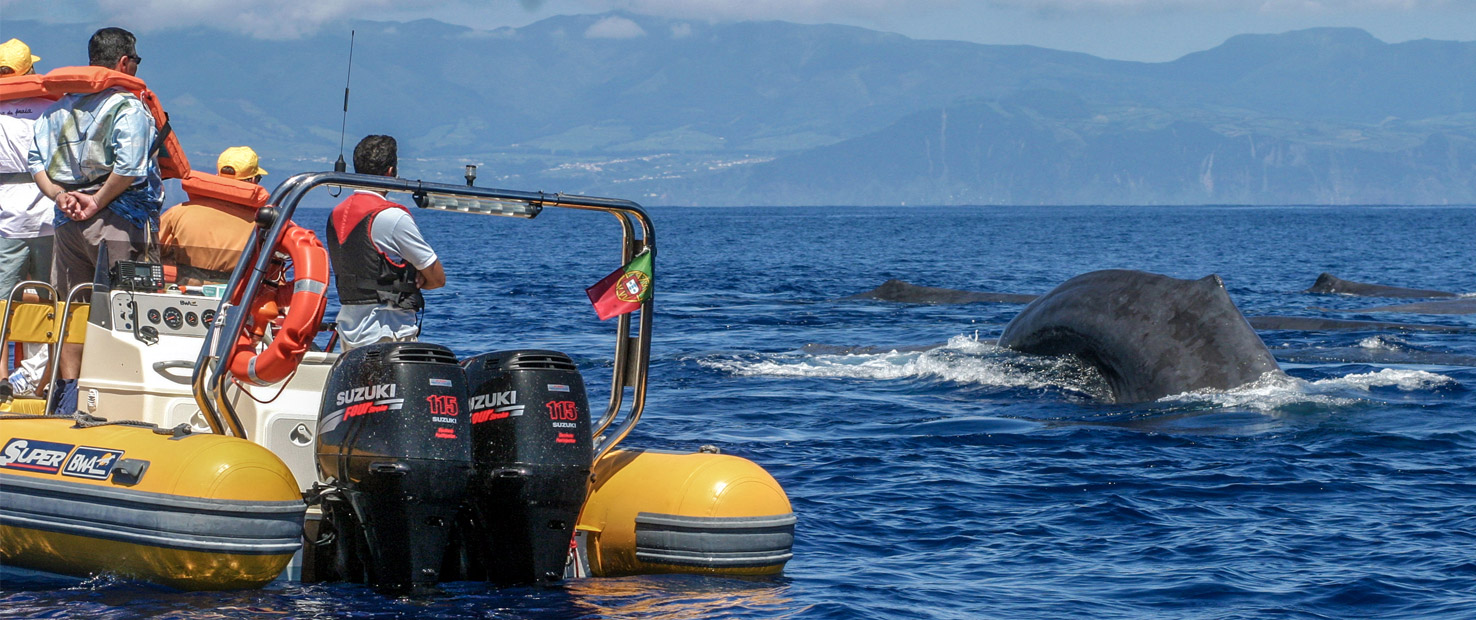
Sperm Whale vs. Cuvier's Beaked Whale: Deep Dive Showdown
The vast, mysterious oceans harbor some of Earth's most incredible creatures. Among them, whales stand out as majestic giants, commanding the depths with their impressive size and strength. A truly fascinating aspect of these marine mammals is their astonishing ability to descend into incredible abyssal realms. But the question that often captivates marine enthusiasts and scientists alike is: Welcher Wal taucht am tiefsten? (Which whale dives deepest?) In this article, we plunge into the world of deep-sea exploration, unraveling the secrets of the ocean's most accomplished divers, with a particular focus on the legendary Sperm Whale and the enigmatic Cuvier's Beaked Whale.
For centuries, the ocean's greatest depths remained largely unexplored, shrouded in darkness and immense pressure. Modern technology, however, has allowed us to peer into these hidden worlds, revealing that certain cetaceans possess physiological adaptations that enable them to journey further than any other mammal. While many whale species exhibit remarkable diving prowess, two contenders consistently emerge when discussing extreme depths: the colossal Sperm Whale and the elusive Cuvier's Beaked Whale. Their contrasting hunting strategies and biological marvels offer a captivating comparison in the ultimate deep-sea showdown.
The Reigning Monarch: The Sperm Whale's Unparalleled Depths
When the discussion turns to which whale dives deepest, the Sperm Whale (Physeter macrocephalus), also known as the Pottwal, invariably takes center stage. This magnificent creature, the largest of the toothed whales, has long held the record for the deepest recorded dive among all marine mammals. Renowned for its massive, block-shaped head and distinctive blowhole, the Sperm Whale is a true master of the deep, often venturing into pitch-black waters to hunt its primary prey: giant and colossal squid.
Documented by scientists using advanced tracking equipment, the deepest confirmed dive of a Sperm Whale reached an astounding 10,000 feet (approximately 3,048 meters). To put this into perspective, the wreckage of the Titanic lies at a depth of 3,800 meters (12,500 feet) in the North Atlantic. While the Sperm Whale doesn't quite reach the Titanic, its incredible feat places it squarely in the league of ultra-deep divers. Their physiology is uniquely tailored for such extreme endeavors:
- Spermaceti Organ: The Sperm Whale's enormous head houses a reservoir of waxy oil known as spermaceti. This organ plays a crucial role in buoyancy control. By regulating blood flow and thus the temperature of the oil, the whale can change its density. Cooling the oil makes it denser, aiding in a rapid descent, while warming it makes it less dense, assisting in ascent.
- Oxygen Economy: To conserve precious oxygen during prolonged dives that can last over an hour, Sperm Whales possess an extraordinary ability to shut down blood flow to non-essential organs. This redirects oxygenated blood primarily to the brain and heart, maximizing their dive duration.
- Lung Capacity & Blood Adaptations: These whales boast an incredible lung capacity and a high concentration of myoglobin in their muscles (a protein that stores oxygen). This allows them to store vast amounts of oxygen before a dive, sustaining them through the oxygen-deprived depths. Their flexible rib cages also allow their lungs to collapse safely under immense pressure, preventing nitrogen narcosis and decompression sickness.
These adaptations make the Sperm Whale an apex predator in the abyssal zone, capable of navigating and hunting in an environment where light cannot penetrate and pressure would crush most other life forms.
The Elusive Challenger: Cuvier's Beaked Whale and Its Stealthy Dives
While Sperm Whales are celebrated for their raw power and record-breaking depths, the Cuvier's Beaked Whale (Ziphius cavirostris) presents a compelling challenge for the title of the deepest diving mammal. These enigmatic creatures, characterized by their robust bodies and distinctive, short beaks, are renowned for their incredibly deep and unusually long dives, often conducted with astonishing stealth.
Cuvier's Beaked Whales have been recorded reaching depths of over 9,800 feet (approximately 2,987 meters), placing them neck and neck with the Sperm Whale in terms of extreme vertical travel. Some studies suggest they may even surpass the Sperm Whale in certain metrics, particularly dive duration, although direct comparisons are complex due to the challenges of observation. Their diet primarily consists of deep-sea squid and fish, which necessitates these profound descents. What truly sets the Cuvier's Beaked Whale apart, however, is its elusive nature:
- Stealthy Hunters: These whales are notoriously difficult to observe in their natural habitat. They often approach their prey silently and spend very little time at the surface between incredibly long dives. This "cryptic" behavior makes them challenging subjects for research.
- Research Innovations: To gather insights into their mysterious lives, researchers employ advanced tracking technologies. Satellite tags affixed to their dorsal fins provide data on dive depth and duration, while acoustic monitoring helps detect their echolocation clicks in the deep, offering clues about their hunting patterns.
The Cuvier's Beaked Whale's ability to undertake such deep and prolonged dives, often without appearing to exert significant effort, underscores a distinct suite of physiological adaptations, honed for stealth and efficiency in the deep ocean. Their understated presence belies an incredible mastery of extreme environments, making them a fascinating subject in the ongoing quest to understand deep-sea life.
Beyond the Numbers: Physiological Marvels of Deep-Sea Divers
Both the Sperm Whale and the Cuvier's Beaked Whale share a remarkable array of physiological adaptations that enable their incredible journeys into the abyss. These are not merely record-holders; they are living laboratories of evolutionary ingenuity, providing insights into how life can thrive under conditions that would be instantly fatal to most other organisms. Understanding how whales dive over 3000 meters involves appreciating a suite of interconnected biological strategies:
- Bradycardia: Upon diving, whales dramatically slow their heart rate, a reflex known as bradycardia. This significantly reduces oxygen consumption, conserving energy and extending dive time.
- Peripheral Vasoconstriction: Blood flow is restricted to the limbs and non-essential organs (as seen in Sperm Whales "shutting off" organs), prioritizing oxygen delivery to the brain, heart, and diving muscles.
- High Blood Volume & Oxygen Storage: Whales have a proportionally larger blood volume than land mammals, packed with oxygen-carrying red blood cells and myoglobin in their muscles. This allows for immense oxygen storage.
- Collapsible Lungs and Flexible Rib Cages: To combat the crushing pressure (which increases by one atmosphere every 10 meters) and prevent decompression sickness (the "bends"), whales have highly flexible rib cages that allow their lungs to collapse almost completely. This prevents nitrogen from dissolving into the bloodstream at depth, where it could form dangerous bubbles during ascent.
- Hydrostatic Pressure Tolerance: Their bodies are primarily water, which is incompressible, allowing them to withstand extreme pressures without being crushed.
- Reduced Metabolism: During deep dives, these whales enter a state of reduced metabolic activity, further conserving oxygen and energy.
These sophisticated adaptations are crucial for surviving in an environment characterized by darkness, freezing temperatures, and immense pressure. They are a testament to millions of years of evolution, perfecting the art of deep-sea navigation and hunting.
Who Truly Dives Deepest? A Final Verdict (and Why it Matters)
So, after exploring the incredible abilities of these two titans of the deep, welcher Wal taucht am tiefsten? Based on currently confirmed scientific records, the **Sperm Whale** generally holds the official record for the deepest recorded dive by a mammal, reaching over 3,000 meters. However, the Cuvier's Beaked Whale consistently demonstrates a remarkable capacity for dives very close to this depth, and in some studies, has been recorded making the longest-duration dives. The ongoing challenge of observing and tracking these elusive creatures means that new records and deeper insights are constantly emerging.
The distinction between their diving styles is equally important: the Sperm Whale, a massive predator, uses its immense size and unique spermaceti organ to hunt giant squid, making powerful descents. The Cuvier's Beaked Whale, while smaller, is a master of stealth and efficiency, undertaking incredibly long and deep dives with a secretive elegance that continues to intrigue scientists.
The study of these deep-diving whales is more than just a quest for records; it holds profound significance:
- Conservation: Understanding their habitat use and diving patterns is crucial for conservation efforts, especially in the face of increasing anthropogenic noise (like naval sonar) which can disorient deep-divers and lead to strandings.
- Ocean Ecosystems: These whales play vital roles in deep-sea ecosystems, connecting surface waters with the abyssal zone through their feeding and waste dispersal.
- Biomimicry: Their physiological adaptations inspire engineers and medical researchers, offering potential solutions for human challenges related to extreme environments.
Ultimately, both the Sperm Whale and the Cuvier's Beaked Whale represent the pinnacle of marine mammal diving, pushing the boundaries of what is biologically possible. Their continued study promises to unlock even more secrets of the deep ocean and the incredible life forms that call it home.
Conclusion
The profound depths of our oceans remain one of Earth's last true frontiers, and the whales that call them home are nothing short of extraordinary. While the Sperm Whale currently retains the official title for the deepest recorded dive by a mammal, the Cuvier's Beaked Whale stands as an incredibly close contender, constantly pushing the limits of endurance and depth. Both species are physiological marvels, equipped with unique adaptations that allow them to thrive in environments that would crush and suffocate any other mammal. Their ongoing rivalry for the title of the deepest diver underscores the dynamic and often mysterious nature of marine biology. As technology advances, perhaps one day we will definitively answer the question, Welcher Wal taucht am tiefsten?, but until then, we can only marvel at the incredible journeys these majestic creatures undertake in the silent, crushing darkness of the deep blue.